Learning from Lichen: The Wisdom of Slow Alliance
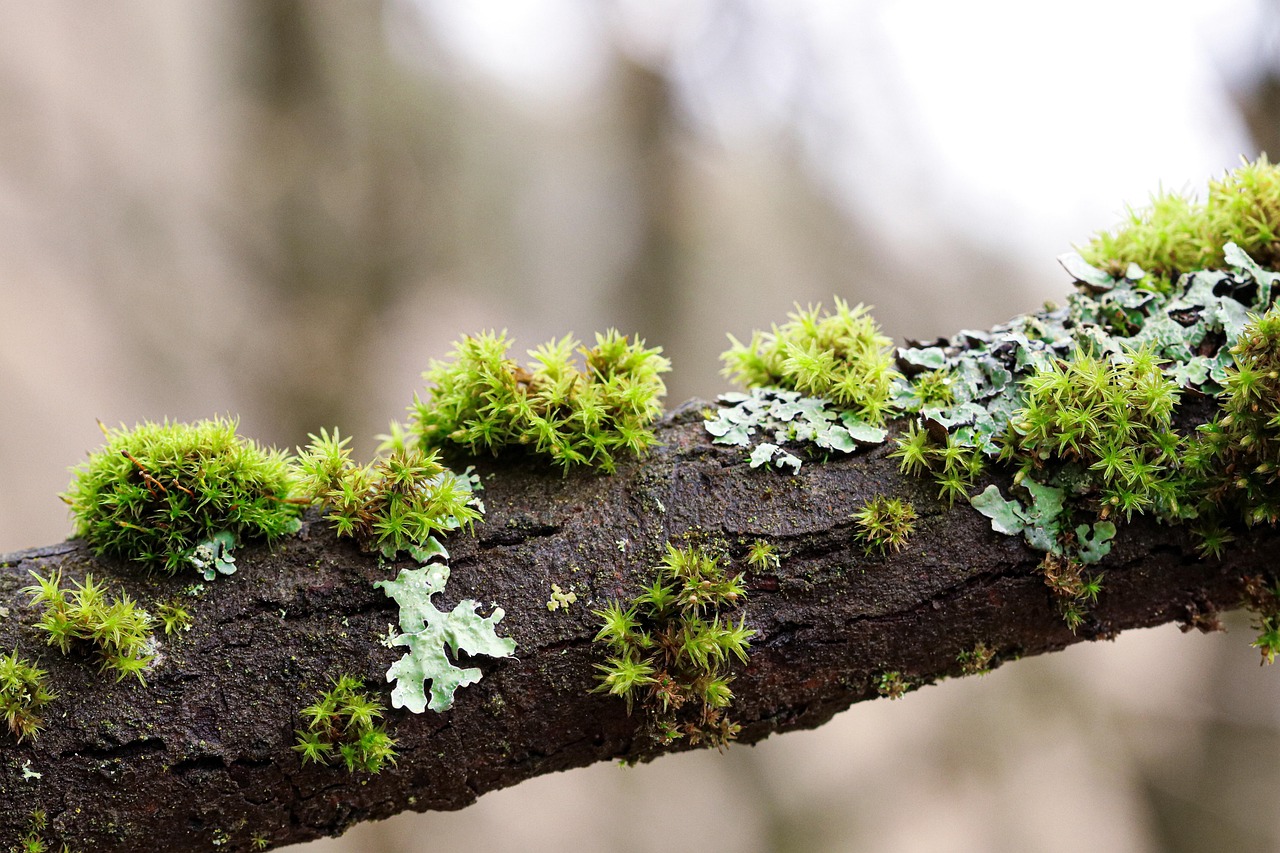
Lichen is easy to miss. It doesn't flower or fruit. It doesn't announce itself with color or scent. It simply clings to rocks and bark and stone walls, a quiet gray-green presence that most of us walk past without a second thought. But lichen is one of the oldest and most successful organisms on earth, and it owes its success not to competition but to collaboration.
What we call lichen is actually a partnership—a fungus and an alga (or sometimes a cyanobacterium) living together in a relationship so intimate that they've become something new. The fungus provides structure and protection; the alga provides food through photosynthesis. Neither could survive alone in the places where lichen thrives. Together, they colonize bare rock, survive drought and cold, and slowly, patiently, create soil for the plants that will follow.
There's a lesson here, and it's not the one we usually hear about nature. It's not about survival of the fittest or the ruthless competition of the jungle. It's about the power of slow alliance—the way two different beings can come together and create something neither could achieve alone.
The Radical Act of Interdependence
We live in a culture that celebrates independence. The self-made person. The lone genius. The rugged individual who pulls themselves up by their bootstraps. But lichen suggests another story—one in which success comes not from standing alone but from learning to live together.
I think about this when I feel the pressure to be self-sufficient. To need no one. To handle everything on my own. It's a seductive story, but it's also a lonely one. And it's not true. None of us are truly independent. We rely on others for food, for shelter, for the knowledge that keeps us alive. We rely on the people who love us, even when we don't want to admit it.
Lichen doesn't pretend to be self-sufficient. It embraces its need for the other. The fungus doesn't try to photosynthesize; the alga doesn't try to build a protective structure. They each do what they do best, and they share the results.
That's a model for how to live. Not as isolated individuals competing for resources, but as partners in a slow, patient alliance. Giving what we have. Receiving what we need. Trusting that the relationship itself will sustain us.
Growing on Bare Rock
What I find most inspiring about lichen is where it grows. Not in rich soil or sheltered valleys, but on bare rock—the places where nothing else can survive. It takes what's there and makes it habitable. It creates the conditions for life.
This feels relevant to our time. We live in a world that often feels like bare rock—harsh, unforgiving, stripped of the things that once sustained us. But lichen reminds us that even in the most inhospitable places, life finds a way. Not through force, but through patience. Not through competition, but through partnership.
Maybe that's the wisdom we need right now. Not to conquer the rock, but to learn to live on it. To find the others who share our needs and our hopes. To build something slow and durable and alive.
Lichen has been doing this for hundreds of millions of years. It knows something we're only beginning to remember: that the strongest things are not the ones that stand alone, but the ones that learn to hold on together.