Reading the Forest Floor: A Case for Paying Attention to Small Things
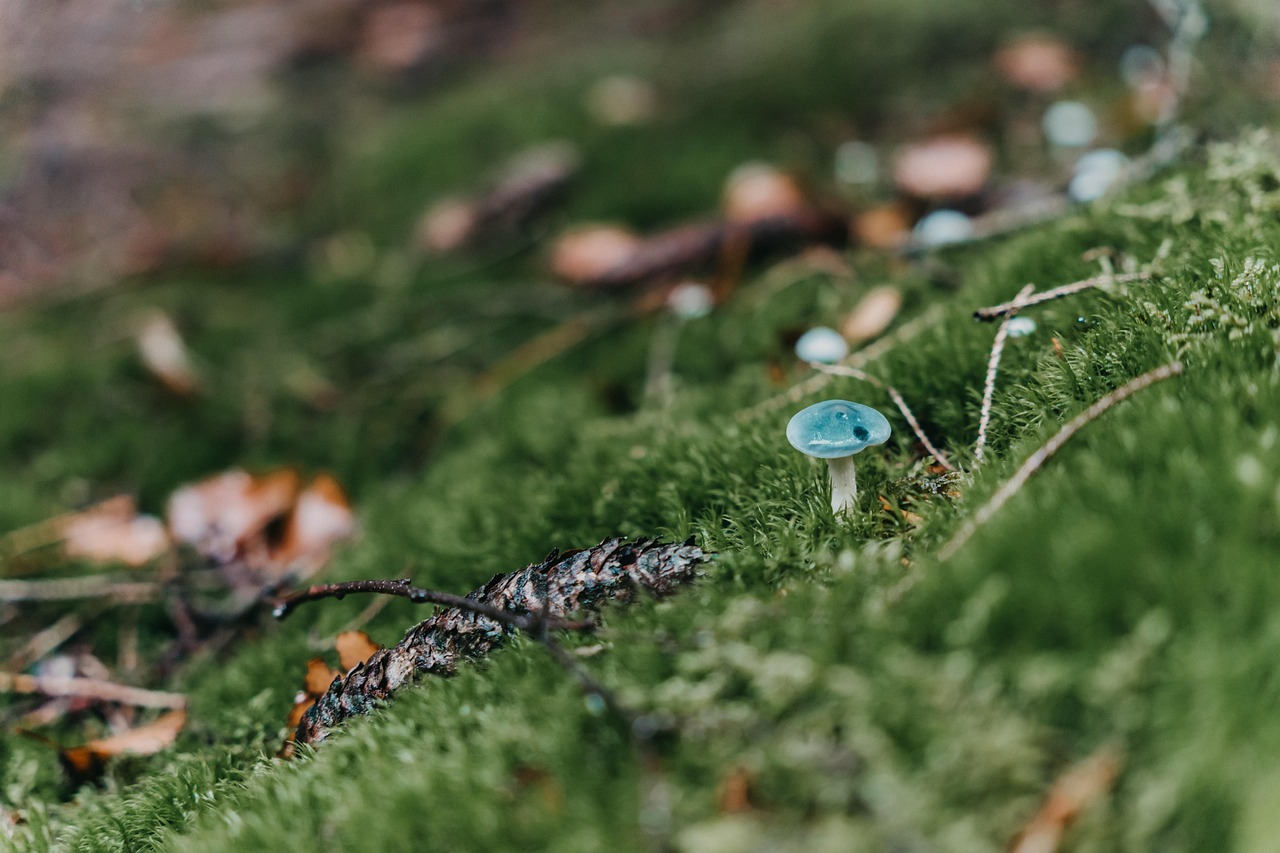
Most people walk through a forest looking up. The canopy is dramatic, after all — the cathedral light, the swaying green, the way the wind makes the whole ceiling breathe. But the real library is underfoot. The forest floor is a dense, layered text written in moss, lichen, fallen leaves, fungal threads, and the patient handwriting of things that move very slowly or not at all.
I started paying attention to the ground a few years ago, mostly out of boredom on a familiar trail. I had walked the same path a hundred times and thought I knew it. Then I sat down. Within arm's reach I found at least six kinds of moss, a lichen that looked like crushed glass, a beetle going about its business with enormous seriousness, and a seedling oak no taller than my thumb, already several years old. I had been walking past an entire civilization.
The Philosophy of the Overlooked
There is a whole tradition of thought that argues we understand the world best through its smallest, most ordinary parts. The forest floor is that argument made physical. Nothing here is trying to impress you. The moss does not perform. The lichen does not seek attention. And yet the whole system depends on them — on the quiet work of decomposition, on the slow conversion of death into soil, on the tiny organisms that hold the entire cathedral above them in place.
I have come to think of attention as a moral act. What we notice, we tend to value. What we value, we tend to protect. And we tend, as a culture, to notice the large and the loud — the megafauna, the old-growth giants, the dramatic weather. The forest floor asks us to invert that instinct. It asks us to find meaning in the unglamorous, the slow, the small. It asks us to consider that importance and visibility are not the same thing.
This is not just an ecological point. It is a way of moving through the world. The overlooked things in our own lives — the routines, the small kindnesses, the quiet maintenance that keeps everything running — are usually the load-bearing ones. We notice them only when they fail. The forest floor is a daily reminder to notice them before they do.
How to Read the Ground
Reading the forest floor is not difficult, but it does require a kind of deliberate slowing. The first rule is to stop walking. Sit or kneel. Let your eyes adjust to the scale of the small. The second rule is to ask simple questions. What is this? Why is it here? What is it doing? You do not need to know the answers. Curiosity is the point, not identification.
The third rule is to touch things, gently and with respect. Moss is soft and cold and slightly damp, and this is information your eyes cannot give you. The fourth rule is to return. A single visit tells you almost nothing. The forest floor changes slowly, and the changes are the story. Come back in a week. Come back after rain. Come back in a different season. You will begin to see the plot.
I do not think everyone needs to become a mycologist or a bryologist. I think we need to remember that the world is legible at every scale, and that the smallest pages are often the most honest. The forest floor does not flatter us. It simply continues, quietly, doing the work that makes everything else possible. There is no better teacher of humility, and no better place to practice the lost art of paying attention.