The Patience of Ferns: What Unfurling Taught Me About Timing
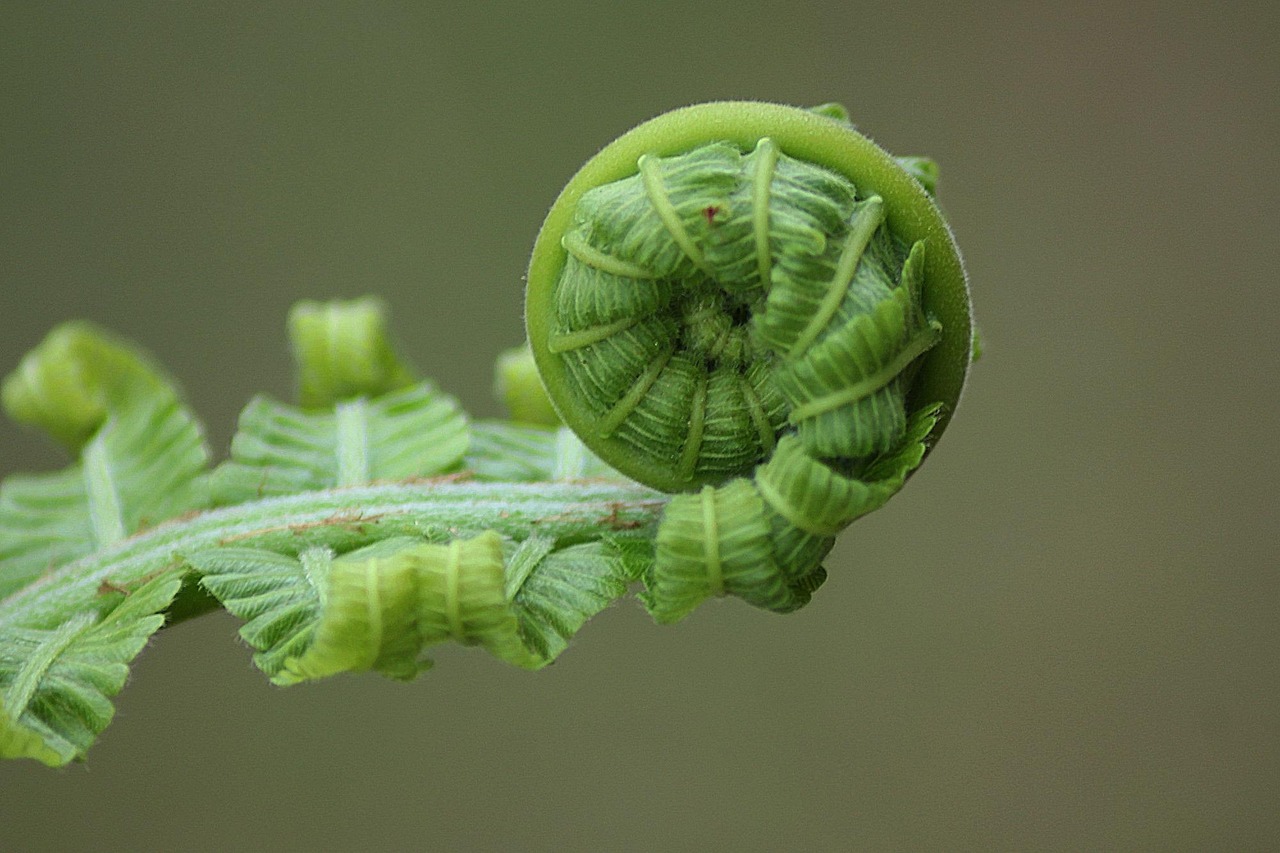
There is a particular kind of fern that grows along the shaded bank behind my house, and every spring I find myself crouching beside it like a child waiting for a magic trick. The fiddleheads emerge tight and furled, coiled like the scroll of a violin, and they stay that way for what feels like an unreasonable amount of time. I check on them daily. Nothing. Then one morning, almost overnight, they have begun to loosen, and the slow arithmetic of unfurling has started.
I used to find this maddening. I wanted the green, the spread, the fullness of summer foliage, and I wanted it now. But the fern does not consult my schedule. It follows something older and quieter — a rhythm written into its cells, timed to light and warmth and water rather than to my impatience. Watching it year after year has become a small education in trusting processes I cannot see.
The Myth of the Overnight Bloom
We live in a culture that celebrates the sudden. The viral moment, the breakthrough, the transformation that seems to arrive fully formed. What we rarely see is the coiled fiddlehead — the long, unglamorous period where nothing appears to be happening and everything actually is. The fern is not idle during those weeks. It is building structure, cell by cell, preparing for an opening that will look effortless only because the effort was hidden.
I think about this when I am learning something new, or healing from something old, or trying to grow a habit that feels fragile and slow. The temptation is always to force the frond open, to pry it apart with my fingers to see if it is ready. But a forced fern is a broken fern. Some things can only open on their own timeline, and the most useful thing I can do is keep the conditions right and then step back.
There is a phrase I return to often: trust the coiled part. It is not a slogan for passivity. It is a reminder that dormancy and gestation are not failures of progress — they are progress, just in a register my anxious mind has trouble hearing. The fern knows what it is doing. So, often, do we, even when we cannot yet see the shape of what is coming.
Keeping the Conditions Right
If the fern taught me patience, it also taught me something about care. The fiddlehead does not open because I will it to. It opens because the conditions are right — enough shade, enough moisture, enough warmth, enough time. My job is not to command the growth but to tend the ground. That reframing has changed how I approach almost everything I care about.
When I want a friendship to deepen, I do not demand intimacy on my schedule. I show up, again and again, and let trust accumulate at its own pace. When I want to write something true, I do not force the draft before it is ready. I read, I walk, I let the ideas coil in the dark. When I want to rest, I stop treating rest as a debt to be repaid and start treating it as soil.
The fern unfurls when it is time, and not a moment before. And every year, without fail, it does unfurl. That quiet reliability — the promise that slow things do arrive, if we let them — is one of the most generous lessons the natural world keeps offering. I am trying, slowly, to learn it. I am trying to be less like the impatient gardener and more like the fern: coiled, patient, and entirely unhurried in my becoming.