Mycelium as a Model: Rethinking Connection in a Lonely Age
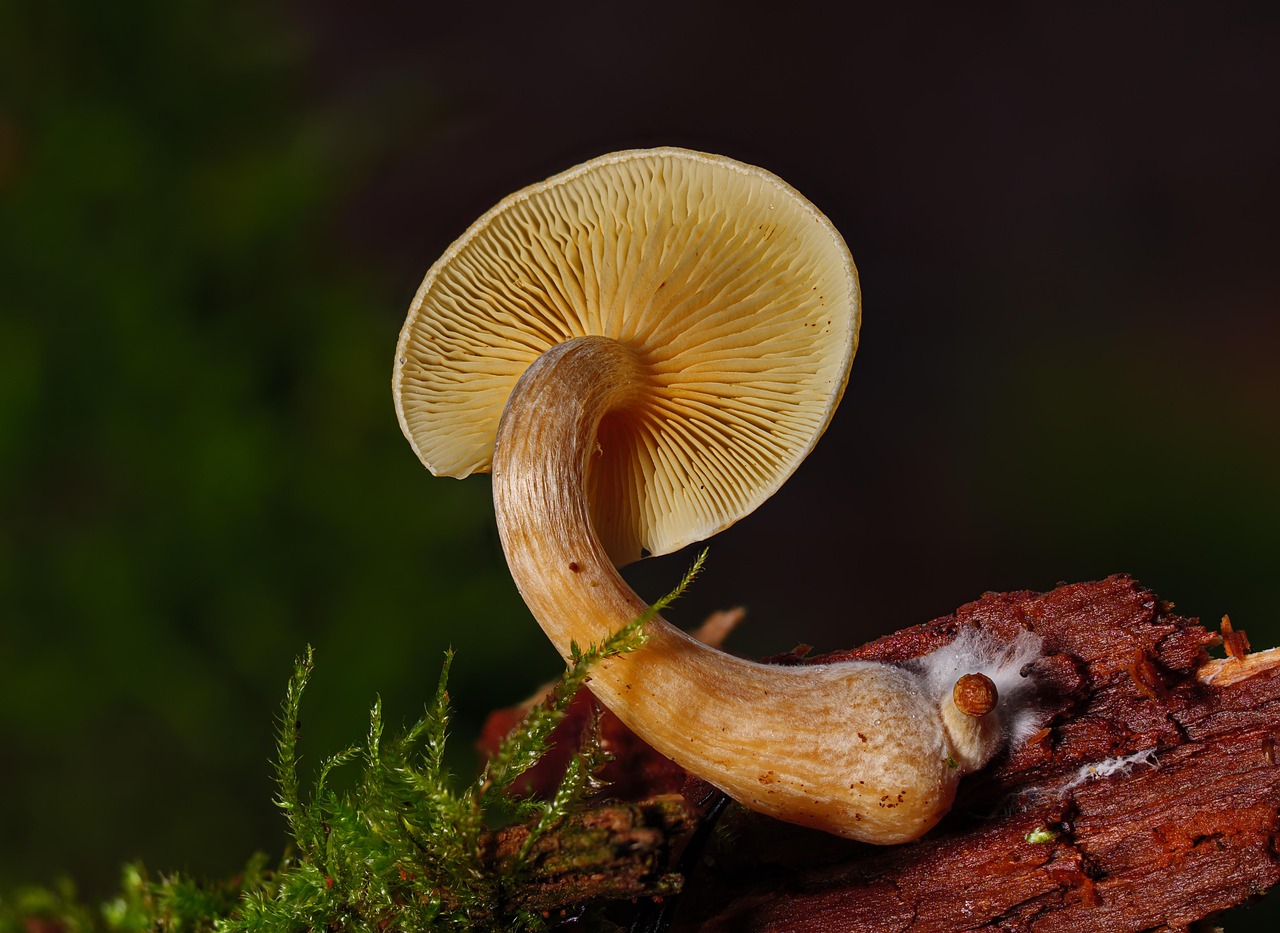
Beneath every healthy forest is a web. Not the kind you can see — the kind that runs underground, thread-thin and vast, connecting tree to tree in a network older and more intricate than anything we have built above ground. The mycelium does not announce itself. It does not post. It simply connects, quietly, and moves resources where they are needed.
I find myself thinking about mycelium a lot lately, mostly because I am tired. Tired of the constant broadcast, the endless feed, the pressure to be always visible and always producing. Our culture has built an enormous above-ground network — loud, fast, relentless — and I suspect it is starving us in ways we have not yet named. The mycelium offers a different model. Not less connection, but a different kind of it: underground, patient, mutual, and mostly invisible.
The Difference Between Broadcast and Exchange
Above ground, a tree is a solitary figure. It stands where it is, weathers what comes, and looks, from a distance, entirely self-sufficient. But that is an illusion. Underground, the tree is embedded in a dense web of relationships. It trades sugar for minerals. It receives warnings about pests. It sends resources to struggling neighbors. It is not a solitary organism so much as a node in a community. The visible tree is only half the story.
Our social lives have become almost entirely above-ground. We broadcast. We perform. We optimize for visibility. And the metrics reward us for it, so we keep doing it, even when it leaves us hollow. What we have lost, I think, is the underground layer — the slow, private, reciprocal exchanges that do not show up in any feed. The check-in text. The shared meal. The favor done without being asked. The long, meandering conversation that goes nowhere in particular and matters anyway.
Mycelium does not broadcast. It exchanges. It gives what it has where it is needed, and it receives what it lacks, and it does all of this without fanfare. It is not transactional in the way we usually mean. It is reciprocal in a deeper sense — the whole network is healthier when each node is healthy, so the network invests in its nodes. That is a different logic than the one we are used to.
Building Underground Networks
If I take the mycelium seriously as a model, it changes how I think about my own connections. It suggests that the goal is not more contacts but deeper ones. Not greater visibility but greater reciprocity. Not the constant broadcast but the quiet, ongoing exchange.
Practically, this looks like small things. Reaching out to someone I have not spoken to, not because I need something, but because I want to know how they are. Showing up for people in ways that do not generate content. Remembering details and following up on them. Being the kind of person who can be relied on, quietly, without making a production of it. None of this is impressive. All of it is the point.
The mycelium is not glamorous. It lives in the dark, in the soil, out of sight. And yet without it, the forest would not stand. I think there is a lesson in that for those of us who feel isolated in an age of unprecedented connection. The answer may not be more connection. It may be a different kind — slower, smaller, more mutual, and largely invisible. The kind that holds things up without ever asking to be seen.