The Night Garden: What Darkness Teaches About Rest
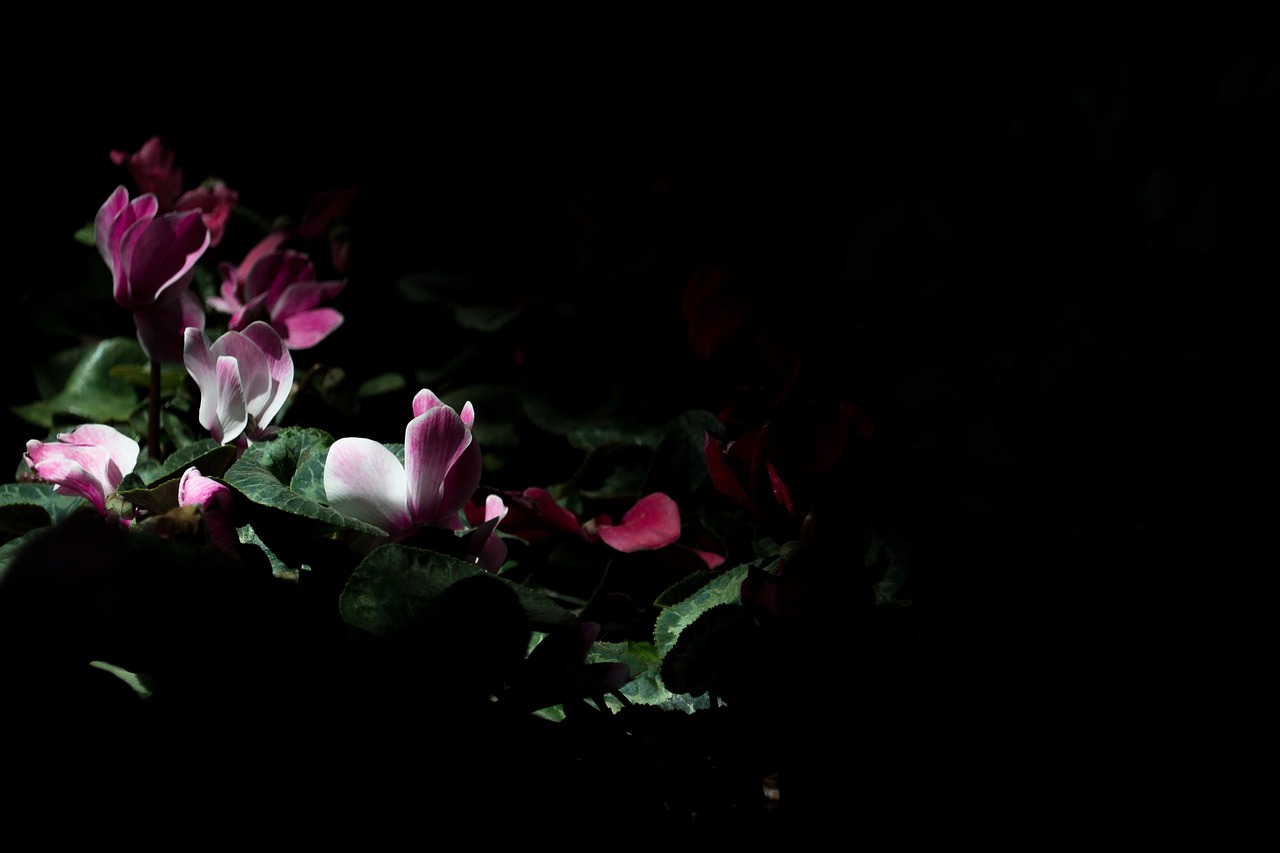
I started walking in the garden at night. Not intentionally, at first—just a restless evening when sleep wouldn't come and the house felt too small. But then I noticed something: the garden was different after dark. Not empty, not sleeping, but awake in a way I hadn't expected. The moths were busy. The crickets were singing. And some of the flowers—the ones I'd walked past a hundred times in daylight—were just beginning to open.
I'd known, somewhere in the back of my mind, that some plants bloom at night. But knowing is different from seeing. Standing there in the dark, watching a moonflower unfurl its pale petals, I felt like I'd been let in on a secret. The garden wasn't resting. It was simply keeping different hours.
The Productivity of Darkness
We tend to think of night as the absence of day—a void to be filled with sleep or, for the ambitious, with more work. But the natural world suggests otherwise. Night is not empty. It's full of its own kind of life, its own kind of purpose. The creatures that move in darkness aren't waiting for the sun. They're living their lives, fully and completely, in the hours we've decided are for rest.
This has me thinking about rest differently. Not as a pause between productive moments, but as a productive moment in itself. A time when different things grow. A time when the work is quieter, slower, but no less real.
I've started to protect my nights. Not just sleep, but the hours around it—the slow wind-down, the dim light, the reading and thinking and staring out the window. These aren't wasted hours. They're the hours when something in me unfurls, the way the moonflower does. Something that can't bloom in the bright, demanding light of day.
I don't always know what that something is. Maybe it's creativity. Maybe it's reflection. Maybe it's just the simple restoration of being alive in a body that needs rest. But I've learned to trust it, the way the garden trusts the dark.
Keeping Different Hours
There's a pressure, in our culture, to be always on. Always available, always productive, always moving. But the night garden reminds me that there's another way. A way that honors rhythm over speed, rest over relentless activity.
The flowers that bloom at night don't apologize for their timing. They don't try to open in the day, competing with the sun-loving blooms. They simply follow their own nature, trusting that the darkness will provide what they need.
I want to live like that. To stop measuring my worth by how much I produce in the daylight hours. To trust that the quiet, unseen times—the rest, the reflection, the slow unfurling—are just as important as the visible, active ones.
The garden at night is not a place of absence. It's a place of different presence. And standing there, watching the moths and the moonflowers and the stars, I understand something I keep needing to relearn: that not everything meaningful happens in the light. Some things—the deepest things—bloom only after dark.