What the River Knows About Letting Go
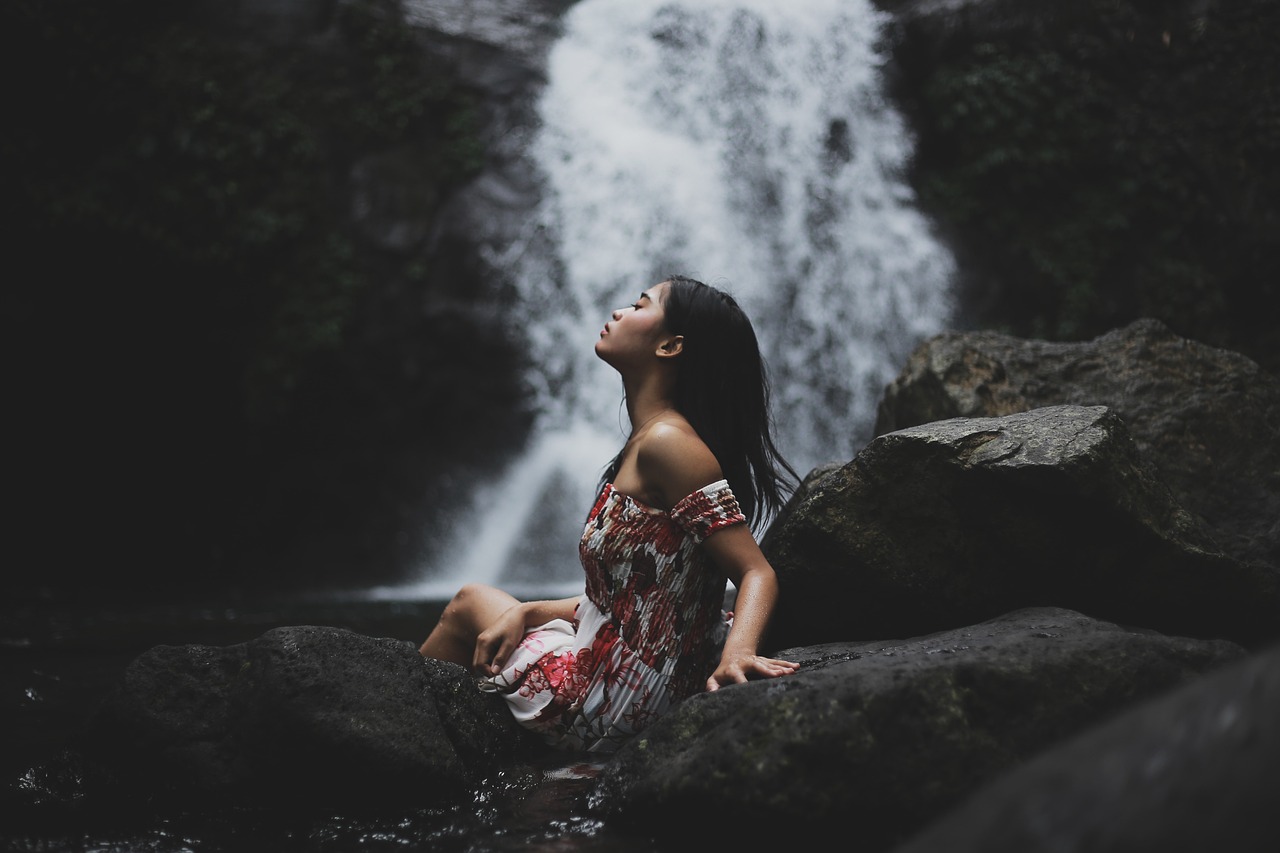
I walked along the river yesterday, the one that runs behind the old mill, and I found myself thinking about how little it tries to keep. Leaves fall in; they float away. Stones tumble from upstream; they settle or they don't. The river doesn't clutch. It doesn't hoard. It simply moves, and in its moving, it changes everything it touches.
There's a philosophy in that. A way of being that our culture—so obsessed with ownership, with accumulation, with the frantic cataloging of what's mine—has largely abandoned. The river suggests that maybe the point isn't to hold on. Maybe the point is to keep moving, to keep giving, to trust that the shape of things will emerge from the flow itself.
The Art of Not Clinging
I've been practicing this. Not perfectly, not even well, but practicing. When a thought arrives that I'd rather not have, I try to let it pass downstream instead of building a dam around it. When a feeling rises, I try to feel it fully and then release it, the way the river releases the rain that falls into it.
It's harder than it sounds. We're trained to hold on—to grievances, to identities, to the story we've told ourselves about who we are and what we deserve. We build banks and levees to contain the flow, and then we wonder why the water feels stagnant.
But the river knows: stagnation is death. Only movement keeps things alive. Only letting go allows for the possibility of something new.
This doesn't mean we shouldn't care. The river cares deeply—it shapes landscapes, nourishes ecosystems, carries the memory of every storm upstream. But it doesn't cling. It carries and releases, carries and releases, in an endless rhythm that feels like the heartbeat of the world.
Carving the Canyon
What I love most about rivers is their patience. They don't force their way through rock. They simply keep flowing, and over time—vast, incomprehensible time—the rock gives way. The canyon isn't carved by violence. It's carved by persistence, by the gentle insistence of water moving in one direction.
I think about this when I feel stuck. When the obstacles in my life seem immovable, when the path forward isn't clear. The river reminds me that I don't need to break through. I just need to keep moving. To trust that the way will open, not through force, but through the slow, steady work of showing up.
And maybe that's the deepest lesson: that letting go isn't passive. It's not giving up. It's a kind of active surrender—a decision to stop fighting the current and instead become it.
The river knows what we forget: that the only way through is through. And that the shape of our lives, like the shape of a canyon, is carved not by what we hold onto, but by what we let flow.